Blog / Industry Insight
Why 3D Packaging Rendering is Replacing Traditional Photography
Published April 2026 · Estimated read: 5 min read
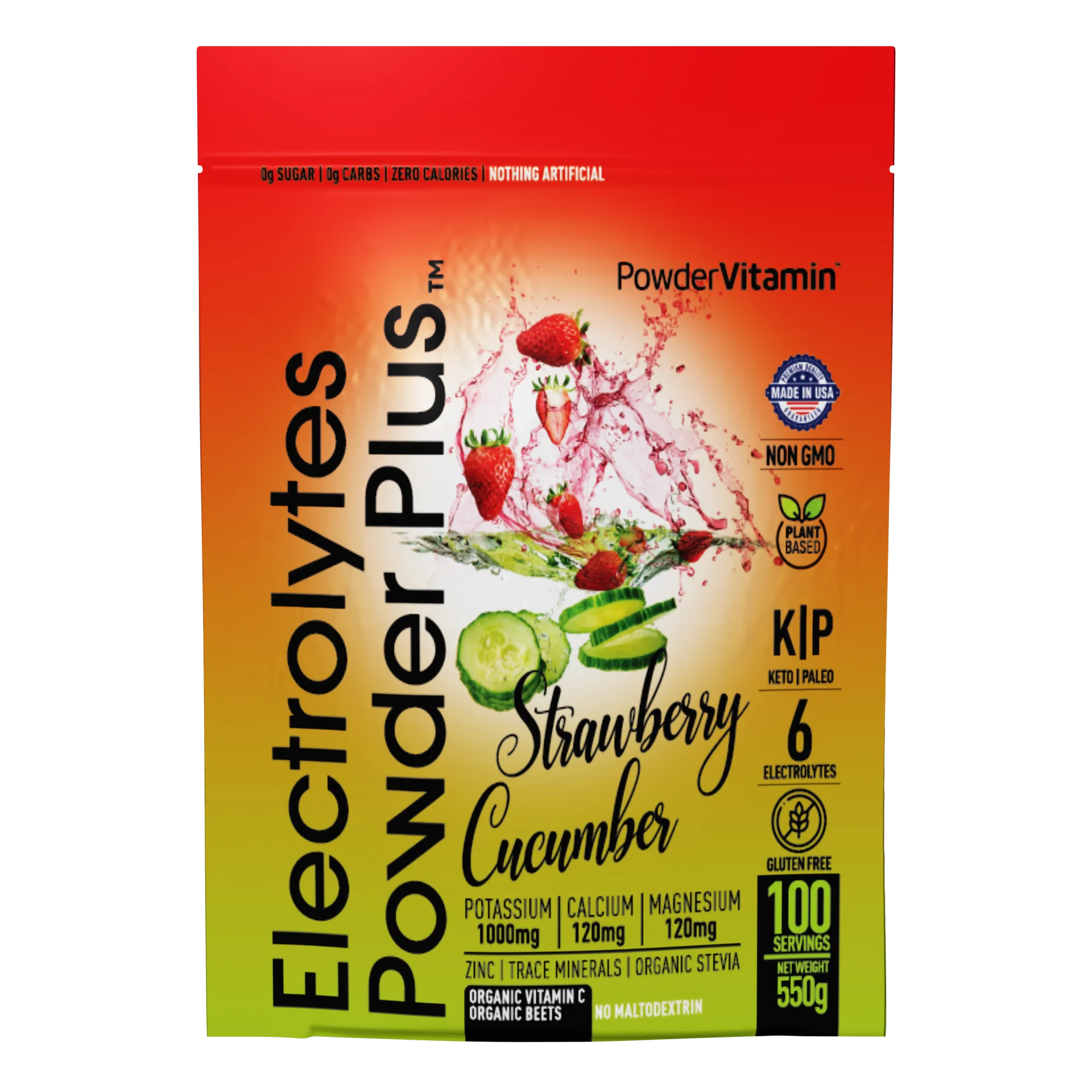
For decades, the standard workflow for CPG (Consumer Packaged Goods) marketing required manufacturing expensive physical prototypes, shipping them to a photography studio, and dealing with complex lighting setups for metallic foils and reflective plastics.
Total Material Control Without Physical Limits
With modern 3D rendering, a product's packaging can be fully visualized the moment the dieline and Adobe Illustrator label files are finalized. Metallic foils, embossed lettering, and spot-UV varnishes can be simulated computationally with absolute precision. We can rotate the lighting infinitely to catch the exact gleam of a gold-foil logo without waiting for a re-shoot.
Infinite Variations and A/B Testing
If a brand decides to change their flavor lineup colors or tweak a nutritional label, updating a 3D asset takes minutes. Updating physical photography requires another expensive studio session. 3D allows for split-second rendering of entire product ecosystems in identical lighting conditions, ensuring perfect brand consistency across the entire e-commerce catalog.
Cost vs ROI
By bypassing the physical tooling and prototyping phase, 3D visualization consistently cuts production budgets by over 60% while simultaneously elevating the aesthetic quality of the final marketing assets.
Need photorealistic 3D visualization for your next project?
Let's Talk