Blog / Technical Guide
Jewelry Rendering: Capturing Caustics, Gold, and Diamonds
Published April 2026 · Estimated read: 6 min read
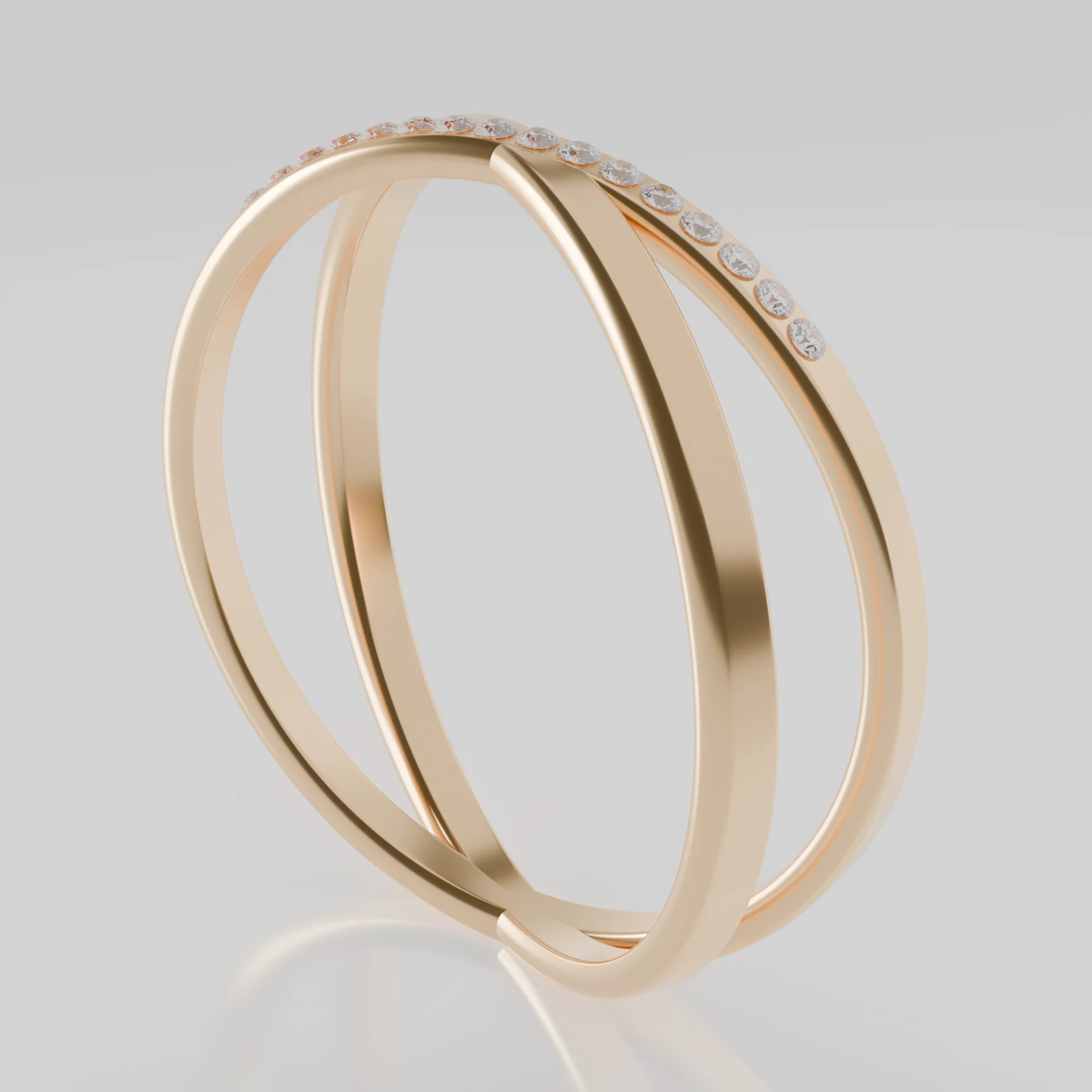
Rendering macro-scale luxury jewelry requires wrestling with physics simulations that push rendering engines to their absolute computational limits. It’s an exercise in controlling light at the microscopic level.
Diamond Dispersion and Spectral Rendering
A diamond derives its legendary 'fire' from chromatic dispersion—the physical splitting of white light into its constituent rainbow colors as it bounces off internal facets. Standard rendering engines bypass this phenomenon to save time. True jewelry visualization requires activating spectral dispersion rendering, drastically increasing computation time but delivering photorealistic multifaceted fire.
Caustics: The Mathematical Light Show
When tight, intense beams of light hit a diamond ring, the light refracts and paints beautiful, sharp patterns on the surrounding floor surface. These are called caustics. Controlling caustics requires massive photon mapping samples, ensuring the refracted light grounds the ring onto the surface perfectly without noisy artifacts.
Mastering Precious Metals
Gold and platinum cannot be rendered simply with a flat yellow or white color. They have complex conductive light absorption profiles. Using accurate RGB reflectance values (complex IOR measurements) for gold ensures that it absorbs blue light and reflects warm spectrums exactly as it mathematically behaves in reality.
Need photorealistic 3D visualization for your next project?
Let's Talk